Summer School on European Economic Area Law (EEA)
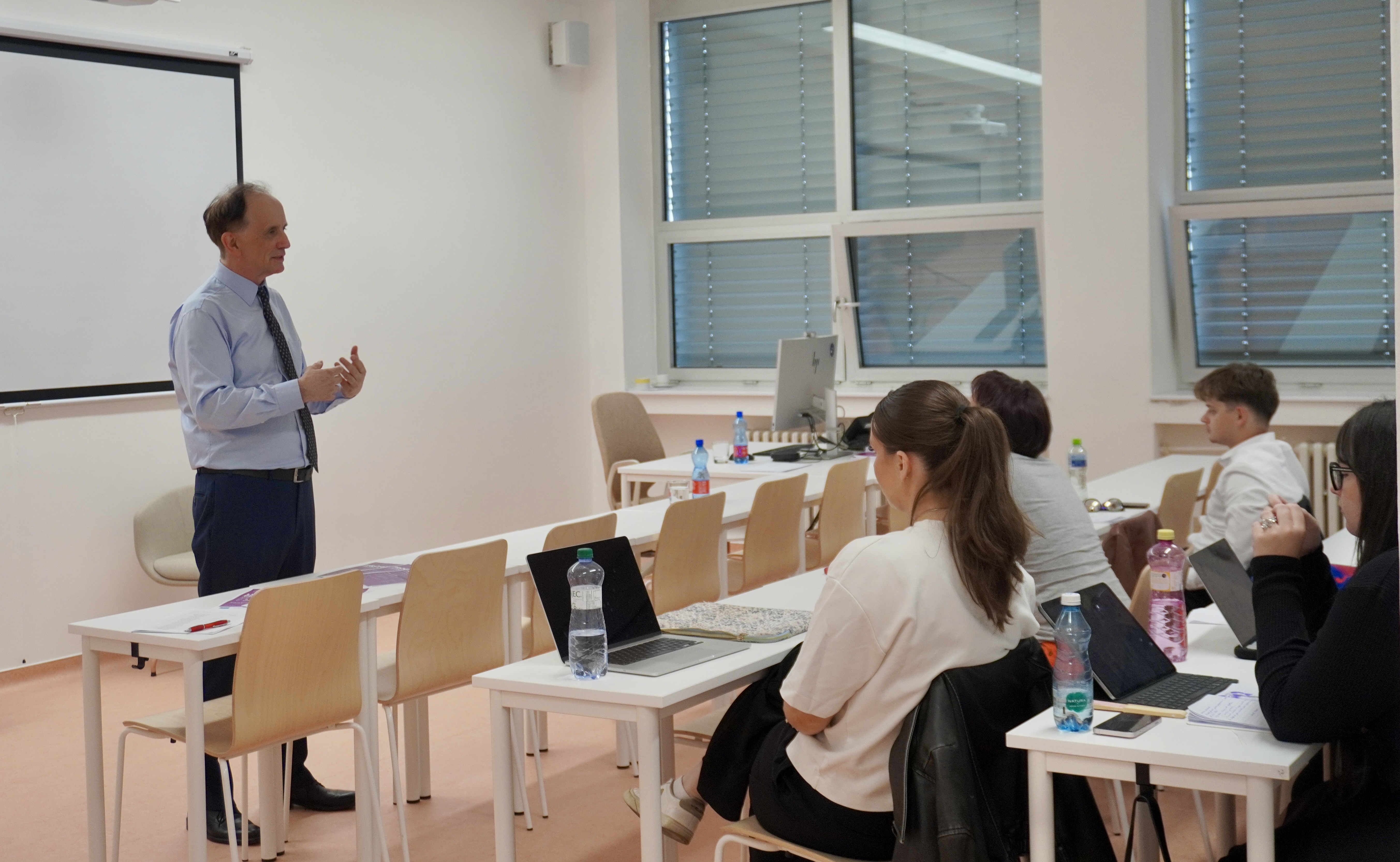
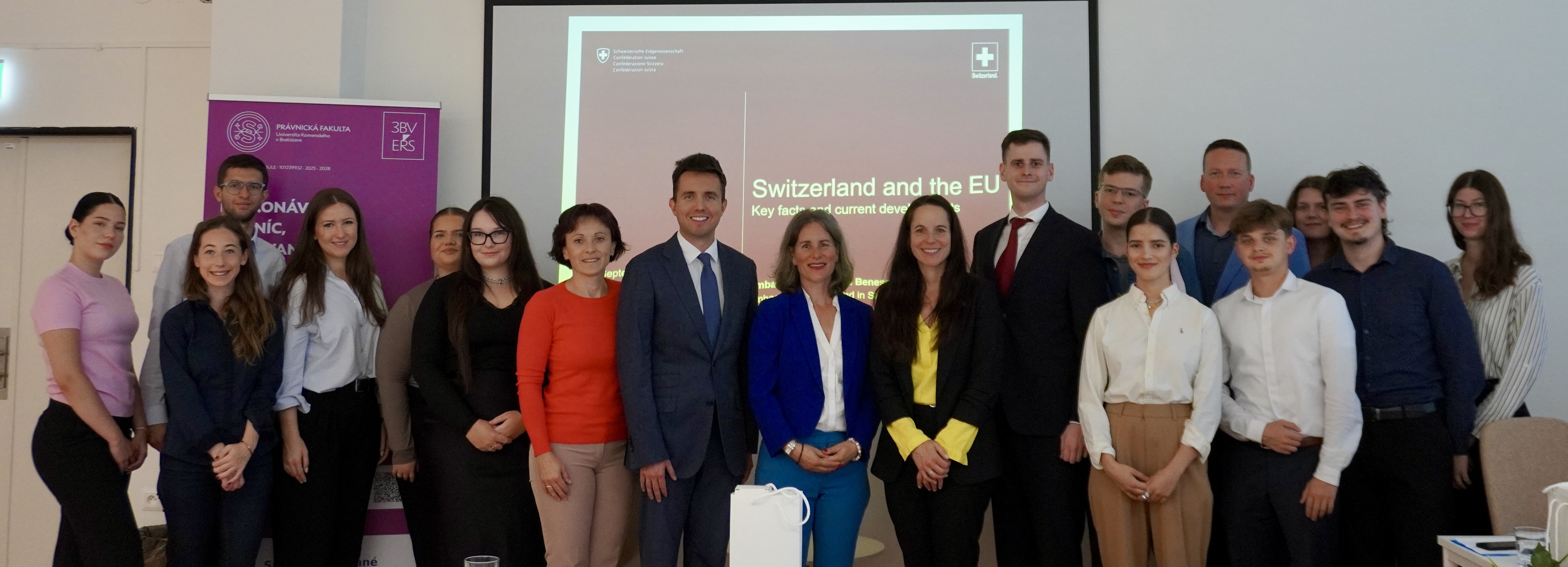
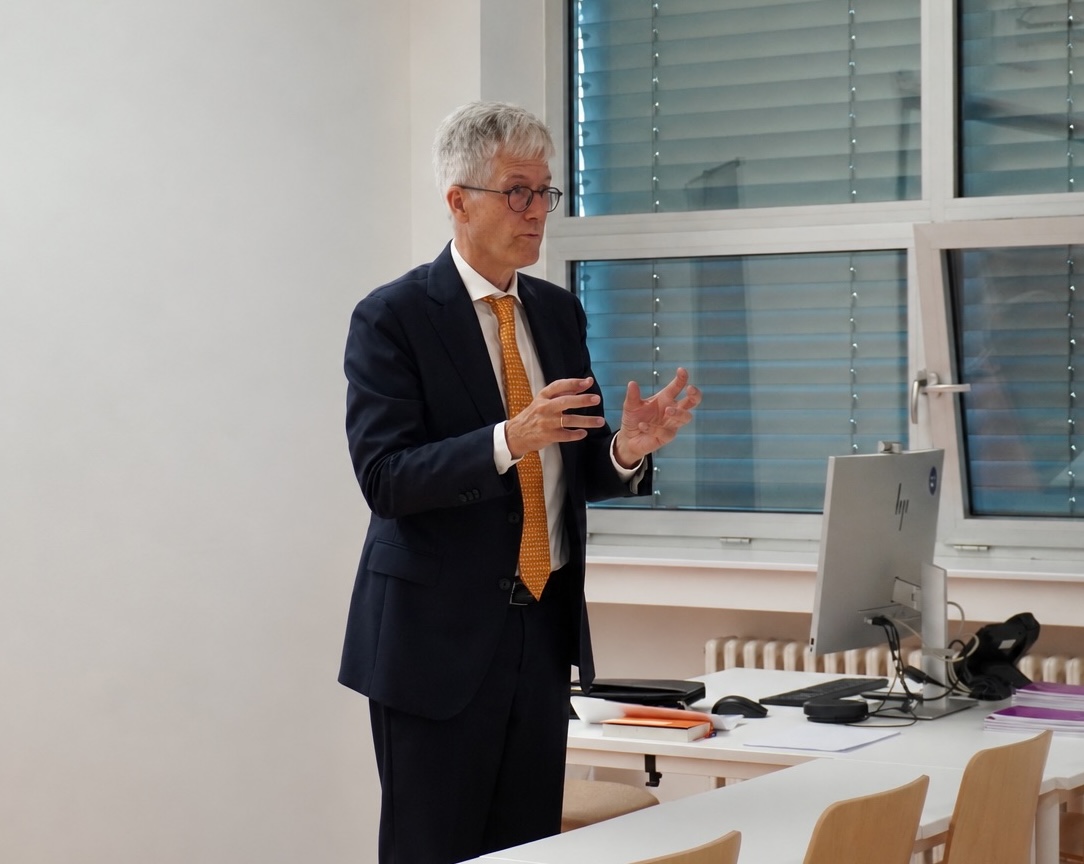
From 9 to 11 September 2026, the Faculty of Law of Comenius University Bratislava hosted the Summer School on European Economic Area (EEA) Law, organised within the Jean Monnet Module 3BVERS.
One of the main aims of the Summer School was to bring the European Economic Area closer to students and to raise awareness of a field which, despite its importance for European integration and the functioning of the internal market, remains relatively underrepresented in legal education and academic debate.
The in-person programme was preceded by a series of pre-recorded lectures delivered by Igor Sloboda from the Institute of European Law at the Faculty of Law of Comenius University Bratislava. The lectures introduced participants to the foundations of EEA law, its institutional and judicial systems, the internal market, the incorporation of EU law into the EEA Agreement, competition law, and the EEA and Norway Grants.
During the first day, the following speakers took part:
- Jozef Kšiňan, European Labour Authority (ELA) – The European Labour Authority and the European Economic Area
- Igor Sloboda, Faculty of Law, Comenius University Bratislava – “About Us Without Us?” Participation of the EEA/EFTA States in EU Law-Making and The Internal Market Beyond the EU: Specific Features of the EEA
The second day brought perspectives from the EFTA States:
- Rolf Einar Fife, Ambassador-designate of the Kingdom of Norway – The Development of the EEA Agreement and Norway’s Experience with the EEA
- Runólfur Oddsson, Consul of the Slovak Republic in Iceland – Iceland’s Experience with the EEA and Cooperation between Iceland and Slovakia
The third day featured:
- Rebekka Benesch, Ambassador-designate, Embassy of Switzerland in Slovakia – Switzerland and the EU: Key Facts and Current Developments
- Igor Sloboda, Faculty of Law, Comenius University Bratislava – Between Membership and Non-Membership: Different Paths of European Integration
- Vladimír Šucha, European University Institute – AI, Power and Law: Geopolitical and Security Aspects of Artificial Intelligence
- Juraj Plaza, Ministry of Labour, Social Affairs and Family of the Slovak Republic – Freedom to Provide Services and Its Social Dimension: Posting of Workers in the EEA
Interactive sessions provided participants with an opportunity to work in groups, discuss practical cases and reflect on the advantages and limitations of the EEA model of European integration.
The Summer School brought together academic expertise, institutional experience and diplomatic perspectives from the EFTA States, offering participants an opportunity to examine the European Economic Area from a range of legal and practical perspectives.
We would like to thank all speakers, guests and participants for their valuable contributions and active engagement throughout the Summer School.
The module is co-funded by the European Union under the Erasmus+ Programme – Jean Monnet Actions (2025–2028). Project No. 101239932 — 3BVERS — ERASMUS-JMO-2025-MODULE.
Photos: Anetta Bartošová, Tamara Ďurinová